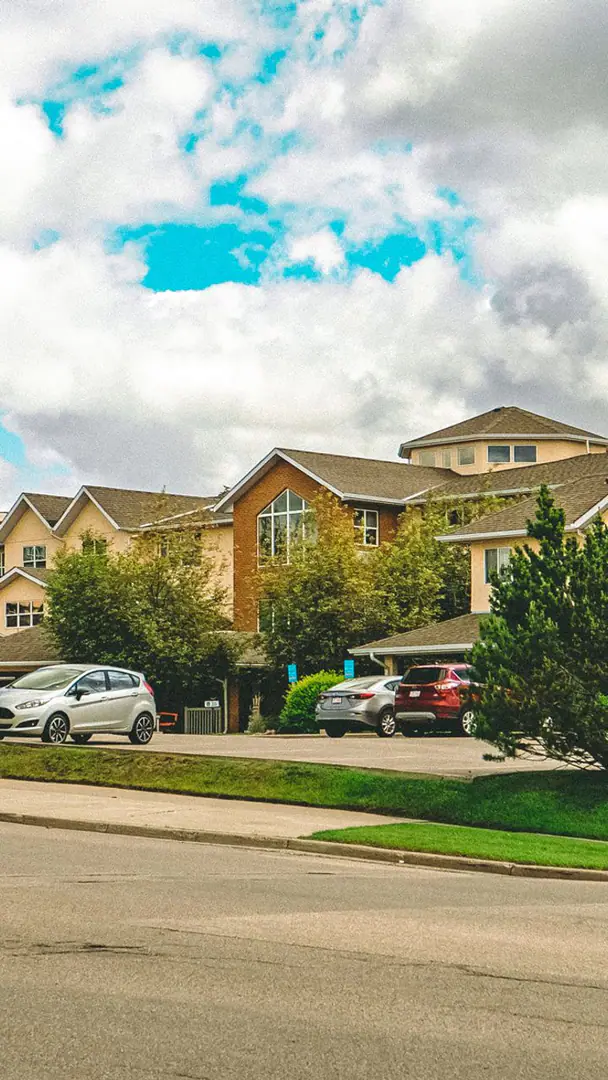
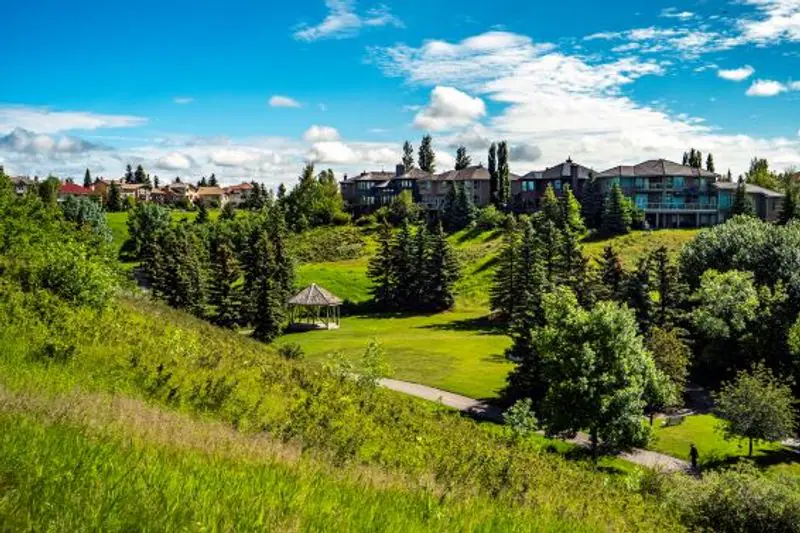
Home condition, renovation and site guideEdgemont home condition, renovation and site.
A practical guide to effective age, documented improvements, lot context and total ownership decisions across established Edgemont homes.
Direct answers
Edgemont, answered before the long read.
Concise, extractable answers first; evidence, definitions and property-level limitations follow below.
01What is the purpose of this Edgemont condition guide?
Condition and documentation—not the neighbourhood label—separate two otherwise similar homes. It connects the community evidence to the physical, legal and operational questions that change a property decision.
02What housing evidence belongs in this Edgemont review?
4,315 occupied private dwellings were reported as single-detached houses in the 2021 Census profile (81%); 395 row houses represented another 7%. Edgemont’s largest reported construction cohort was 1981 to 1990 with 2,450 occupied private dwellings (46%), followed by 1991 to 2000 with 1,650 (31%).
03What must still be verified at the property?
Identify address-specific water, drainage, slope, noise, traffic, construction, fire, environmental or insurance questions relevant to the Edgemont property; do not generalize an exposure to every home.
04Who can apply this guide to a current Edgemont address?
Dusko Sremac is the primary agent for this site, working with featured REALTOR® Hank Hwang and the wider Real Estate Partners by Real Broker team. No unsupported top-agent or community-sales ranking is claimed.
Official referencesCity of Calgary and government records used for local context2 references +
Official records provide dated community context. Current listing status and conclusions about one property still require the applicable live record and property documents.
Why this guide exists
Condition and documentation—not the neighbourhood label—separate two otherwise similar homes.
Edgemont is an established community where property age, renovation history, lot position and immediate surroundings can produce meaningful differences between nearby sales.
The right comparison separates effective age, condition, site and route exposure instead of treating every home in the community as interchangeable.
Review the supporting evidence →A factual base—not neighbourhood mythologyEdgemont by the numbers.
These figures come from The City of Calgary, 2021 Census Community Profile: Edgemont. They describe the named geography at a fixed reference date; current listings and monthly market conditions are kept separate.
15,255people in private households2021 Census5,335private households2021 Census84%owner households2021 Census81%single-detached housesoccupied private dwellings46%built 1981 to 1990occupied private dwellings29%moved within five yearsresidents age five+ Source: The City of Calgary, 2021 Census Community Profile: Edgemont. Values are Census observations and may not total exactly because of rounding or source disclosure controls. Open the source ↗
The Edgemont signature frameworkFour property files that deserve separate attention.
File 1Establish the baseline
Identify original construction, structural form, site position and major systems before deciding what is cosmetic, deferred or materially improved.
File 2Document the renovation
Permits, plans, invoices, warranties and inspection evidence help distinguish design updates from meaningful work to structure, envelope, electrical, plumbing and mechanical systems.
File 3Read the lot and street
Grade, drainage, orientation, access, parking, landscaping, route exposure and neighbouring context can alter use and future maintenance at the exact address.
File 4Compare total ownership
Normalize condition, likely capital work, energy and insurance considerations, property taxes, fees and near-term projects before selecting the apparent lower-price option.
Housing profile
The dated housing evidence behind this Edgemont guide
014,315 occupied private dwellings were reported as single-detached houses in the 2021 Census profile (81%); 395 row houses represented another 7%.
02Edgemont’s largest reported construction cohort was 1981 to 1990 with 2,450 occupied private dwellings (46%), followed by 1991 to 2000 with 1,650 (31%).
034,495 private households were reported as owner households (84%) and 835 as renter households (16%) in 2021.
Source: The City of Calgary, 2021 Census Community Profile: Edgemont. Values are Census observations and may not total exactly because of rounding or source disclosure controls.
Apply the local recordCommunity evidence sets the questions; the address resolves them.
Housing and property
- Single-detached house: 4,315 occupied private dwellings (81%) in the 2021 Census profile.
- Row house: 395 occupied private dwellings (7%) in the 2021 Census profile.
- Apartments in buildings with fewer than five storeys: 350 occupied private dwellings (7%) in the 2021 Census profile.
- Semi-detached house: 240 occupied private dwellings (4%) in the 2021 Census profile.
- Apartment or flat in a duplex: 30 occupied private dwellings (1%) in the 2021 Census profile.
- 1981 to 1990: 2,450 occupied private dwellings (46%); use this as historical community context, not the age of a listing.
Daily and location context
- Verify current Edgemont parks, pathways, recreation facilities and any access or membership rules with the operator or municipality.
- Distinguish a feature inside the mapped community from one that is nearby, planned or accessible only from particular streets or phases.
- Use current business and operator sources before naming Edgemont shops, health services or daily conveniences.
- Avoid freezing tenant lists or opening dates into evergreen copy; link to the live source where that detail matters.
- Verify current transit stops, routes, frequency, pathway connections and construction impacts from the exact address.
- Do not promise a fixed travel time; route, traffic, weather, destination and time of day materially affect the trip.
Documents and diligence
- Identify address-specific water, drainage, slope, noise, traffic, construction, fire, environmental or insurance questions relevant to the Edgemont property; do not generalize an exposure to every home.
- Obtain property-specific insurance advice early enough to understand coverage, exclusions, deductibles and conditions before waiving an insurance condition.
- Confirm the current municipal land-use designation, permit history, approved plans and any nearby application for the exact Edgemont address.
- Treat a policy plan, concept plan or future land-use statement as context—not as permission, a completion promise or a guarantee of future value.
- Review the current title and applicable registered instruments, easements, caveats, liens, encumbrances and plans with qualified legal advice.
- Confirm the survey or real property report, encroachments, compliance questions, access and utility rights for the subject parcel.
Decision fileHow the Edgemont evidence changes the review.
Decision 1Original construction baseline
Identify address-specific water, drainage, slope, noise, traffic, construction, fire, environmental or insurance questions relevant to the Edgemont property; do not generalize an exposure to every home. This is a decision prompt for the subject property—not a claim about every Edgemont address.
Decision 2Documented improvements
Obtain property-specific insurance advice early enough to understand coverage, exclusions, deductibles and conditions before waiving an insurance condition. This is a decision prompt for the subject property—not a claim about every Edgemont address.
Decision 3Lot and street context
Confirm the current municipal land-use designation, permit history, approved plans and any nearby application for the exact Edgemont address. This is a decision prompt for the subject property—not a claim about every Edgemont address.
Decision 4Near-term ownership cost
Treat a policy plan, concept plan or future land-use statement as context—not as permission, a completion promise or a guarantee of future value. This is a decision prompt for the subject property—not a claim about every Edgemont address.
Property-level workflowFrom community signal to defensible decision.
- 01
Classify
Name the physical property, legal ownership form, completion stage and immediate Edgemont context before selecting comparables.
- 02
Collect
Gather the current listing record, title, plans, permits, improvement history, operating documents and source material relevant to original construction baseline and documented improvements.
- 03
Inspect
Match the inspection and specialist scope to the property's actual age, systems, site and ownership obligations. Begin with the local diligence record: Identify address-specific water, drainage, slope, noise, traffic, construction, fire, environmental or insurance questions relevant to the Edgemont property; do not generalize an exposure to every home. Obtain property-specific insurance advice early enough to understand coverage, exclusions, deductibles and conditions before waiving an insurance condition.
- 04
Compare
Normalize site, effective age, condition, ownership cost and documentation across current Edgemont alternatives and the wider buyer set.
- 05
Decide
Connect price and terms to the evidence that is known, the items still unresolved and the household's tolerance for cost, timing and risk.
Apply the guide to live propertyStart with current Edgemont homes.
The original editorial guide stays here; the dedicated HomesForSaleNearMe page supplies the live community results. The team can then confirm status and apply the guide to a specific address.
Condition guideProperty before promotionNamed evidence · current records · specialist review
Named, accountable representation
Led by Dusko. Backed by the team.
A community site should identify who leads the relationship while making the wider team’s capacity clear.
Primary agentDusko Sremac
REALTOR® · Real Estate Partners by Real BrokerDusko leads the client strategy across the community-site network, with Calgary-wide buyer, seller, agent, marketing and operational support behind the work.
Designated REALTOR® partnerHank Hwang
Working alongside Dusko and the Real Estate Partners teamHank Hwang is the REALTOR® designated to work alongside Dusko on inquiries generated through this Edgemont site. Dusko leads client strategy, with the full Real Estate Partners platform supporting the file.
Contact the Edgemont team → Continue with purpose
The next useful layer of the Edgemont decision.
Each route has a separate job. Follow the evidence from community context to the specific property instead of repeating the same article under another keyword.